Start With Beef Tartare Tarts
Make the beef tartare tarts the first shared plate. Their gochujang, pear, sesame and buckwheat introduce the kitchen's Korean-French vocabulary in one concise, high-contrast bite.
First time here? Take the 30-second tour of how Restaurantica works!
At 156 ONEFIVESIX, the order has an architecture: precise small plates up front, richer mid-courses in the middle, and a ssam platter built to take over the table. Chef and co-owner MJ Jeong uses that progression to make modern Korean cooking feel paced rather than encyclopedic. Gochujang, perilla, makgeolli, jook and ssam supply the foundation; French technique sharpens the edges without sanding away their Korean character. In West Queen West, the format gives a premium dinner a generous, social logic. The entire progression plays out in a dim dining room with the kitchen visible from the table.
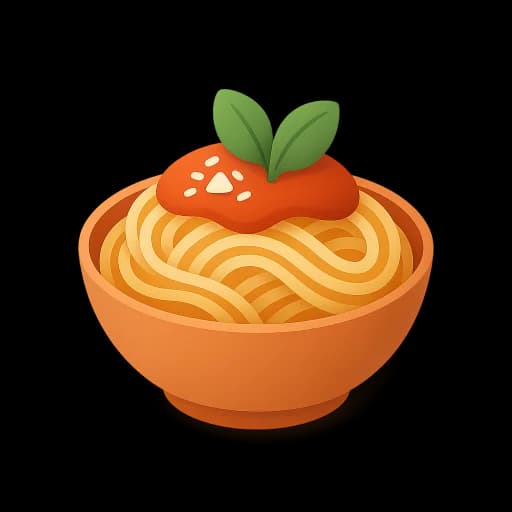
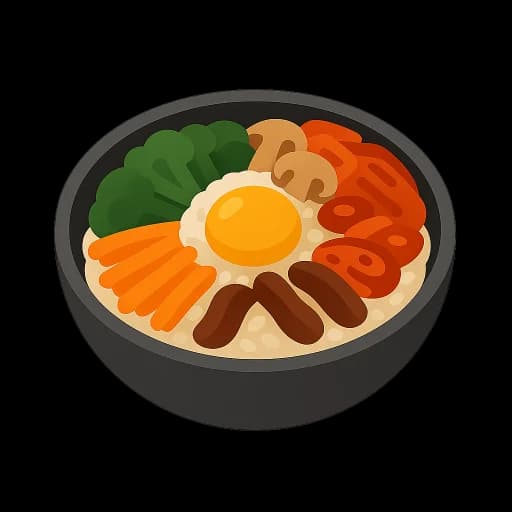
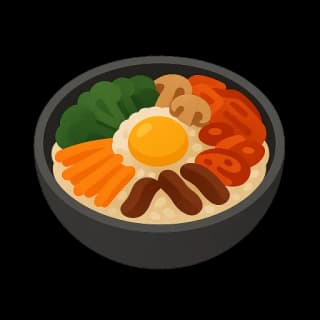
Beef Tartare Tarts make the clearest opening move. Gochujang brings heat, pear gel answers with sweetness, sesame powder adds depth, and buckwheat supplies the crunch around raw beef. From there, Sujebi Pasta turns hand-torn-noodle comfort into a rich middle course with scallops, perilla butter, guanciale and zucchini purée. The kitchen keeps crossing familiar forms without treating fusion as novelty for its own sake. Mushroom Jook makes the point quietly: Koshihikari rice and pearl barley carry a poached egg yolk and Parmigiano Reggiano, creating a savoury pause that belongs between brighter seafood and the final beef course.
Elsewhere, the menu's contrasts grow more assertive while staying legible. Spanish mackerel comes with makgeolli cream, XO, daikon and charred kale; potato pancake is edged with mussels, myeongran aioli, jamón, horseradish and dill. Lobster is pulled in another direction by cucumber noodle, tomato, yuja and pine nut, while pork jowl meets kimchi tomato confit, garlic stems and anchovy glaze. Korean ingredients do structural work in these plates: they set acidity, fermentation, heat and texture rather than appearing as decorative references. Even the drinks stay inside that vocabulary, with the Plum Somaek and Shiso Highball carrying Korean accents into the cocktail list.
The dining format is formal enough for an occasion but loose enough to let the table author its own sequence. Full service and reservations establish a planned-evening rhythm; Korean-accented cocktails and shareable plates keep it from hardening into ceremony. For two diners, a focused order can stop after a few composed dishes and one ssam platter, while a larger group can move through seafood, grains and beef without assigning each person a separate main. That flexibility matters at this level of cooking, where abundance can become excess. ONEFIVESIX gives a planned dinner its shape without locking the table into a tasting menu.
Jeong's double role as head chef and co-owner explains the consistency. Over the restaurant's five-year evolution, the cooking has developed around a modern Korean point of view that belongs to one person rather than a borrowed theme. The menu is broad, but its recurring ideas are disciplined: rice and grain beside dairy richness, fermented notes cutting through fat, seafood meeting herbs and alliums, and familiar Korean formats opened to French-minded composition. That authorship also keeps premium ingredients from becoming a parade of status objects. That authorship has taken shape over five years in West Queen West.
The ssam platters shift the meal to table scale. Prime tenderloin, hanger steak, Australian wagyu and forty-eight-hour slow-cooked kalbi short rib each arrive with lettuce wraps and house accompaniments; the short rib, at seven ounces, gives a shared order a generous final savoury course. Ssamjang, chimichurri, house pickles, white kimchi and salad turn the beef into a sequence of choices rather than a single heavy plate. That ending clarifies why the earlier dishes are portioned and composed as they are. A couple can build a deliberate date-night dinner; a larger table can range more widely without losing the thread. Here, the most complete order is one no diner assembles alone.
Korean flavours and formats are expressed through precise combinations such as perilla butter, makgeolli cream, gochujang and ssam accompaniments.
Head chef and co-owner MJ Jeong gives the restaurant a verified culinary identity and a clear through-line across its five-year evolution.
Composed small plates build naturally toward a premium ssam centrepiece, giving a table a practical way to shape an occasion-minded meal.
This is Restaurantica’s own read — synthesized from publicly available sources across diner signal and editorial research, last updated August 2026. It’s our interpretation of the evidence, not a crowd average — and placement is never for sale.

Korean identity shapes the meal from gochujang and perilla to jook, sujebi and the ssam format. Chef MJ Jeong uses French technique as a frame for those references, not as a replacement for them.

MJ Jeong is both head chef and co-owner, giving 156 ONEFIVESIX a person-led identity. The current menu's Korean-French combinations make that leadership visible on the plate.
This menu rewards diners who want familiar Korean ideas taken in less familiar directions. Sujebi arrives with scallops, perilla butter and guanciale, while mushroom jook is finished with egg yolk and Parmigiano Reggiano.

Beef Tartare Tarts can lead the first order without carrying the whole meal alone. Gochujang, pear gel, sesame and buckwheat give the dish a compact expression of the kitchen's wider Korean-French approach.

A dim dining room, cocktails and shareable composed plates give couples a dinner with natural pacing. Reservations and a progression toward one ssam centrepiece make the evening feel planned without locking diners into a tasting menu.
Restaurantica’s write-up above is synthesized from broad public signal — community reviews add the first-person layer. Share the nuances of your visit to 156 ONEFIVESIX in Toronto: the standout dishes, the room, the service.
Write a reviewIt is a full-service modern Korean restaurant on Queen Street West, led by chef and co-owner MJ Jeong. The menu pairs Korean flavours with French technique across small plates, mid-sized dishes and shareable ssam platters.