

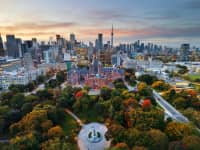
Toronto's Best: Cultural Experience
For restaurants where regional identity, traditional cooking, heritage dishes, founder story, or cultural specificity is central to the dining experience.

Toronto's Best: Cultural Experience

Cultural Experience
24 spots make the list in Toronto · ranked by Restaurantica's cultural experience scoring evaluation
Outstanding
Lao Lao Bar
8.8Lao identity is not an accent here; it connects the owners' story, the communal meal, the sticky rice, the menu language and the room. Dishes such as Nam Khao, Khao Poon Gai and Tum Mak Hoong give that point of view concrete shape. The result is a restaurant where culture guides the visit without becoming a costume.
Rayah
8.7Rayah’s identity is inseparable from Wafa El Rhazi’s French upbringing and Moroccan-Algerian family roots. The menu moves from briwat and tajine to Cordon Bleu and pâtisserie, while the room ties those threads together through zellige, French posters and a Moroccan taxi.
416 Snack Bar
9.0416 Snack Bar turns Toronto's many food cultures into a night of hand-held dishes, moving from lamb arayes and jerk fish to pepper crab and Korean fried chicken. The pleasure is not imitation of one place, but the way those references meet over a shared meal and become part of the city's own food language.

Limon Beaches
9.4Limon's modern Israeli identity is carried by brothers Jonathan and Benjamin Mishaev, who grew up in Tel Aviv and in family restaurants. Their menu connects that story to falafel, whole fish, grilled meats and the condiments that give the food its particular shape.
Cheng Du Street Food
9.4Chengdu is more than a name on the door; it organizes the menu. Traditional rice jelly noodles, Zigong-style chicken, Sichuan boiled beef, chilli oils, peppercorn, celtuce, and regional offal dishes give the meal a coherent place-specific point of view.
156 ONEFIVESIX
8.5Korean identity shapes the meal from gochujang and perilla to jook, sujebi and the ssam format. Chef MJ Jeong uses French technique as a frame for those references, not as a replacement for them.

Punch
9.3Punch treats Indian and British food histories as the organizing idea of the restaurant, not as decoration. The name's connection to Hindi pañch and the menu's movement between makhani, Rogan Josh, pot pie and Wellington give the meal a specific cultural point of view.
DaiLo
9.1DaiLo is strongest when the meal reads as Chinese-Canadian storytelling, not just fusion. The Hakka details, French polish, and College Street setting make the visit feel specific to Toronto.

PAI
9.2PAI carries a clear Pai, Northern Thailand through-line, from the restaurant name to the dishes that define the menu. The experience is strongest when diners follow that regional thread.

Chez Nad
9.4Lyonnais identity is a working part of Chez Nad rather than a decorative label. Nourian’s family restaurant history meets a menu that includes salade Lyonnaise, house-made pâté, and duck with lentils, giving dinner a specific regional thread.

Excellent
Mapo Korean BBQ Church
9.5Korean barbecue shapes the food, the staff-led cooking format, and the room rather than appearing as a loose menu label. South Korean street imagery and GS25 references carry that point of view into the setting, while Toronto Blue Jays details locate this branch in its new city context. The experience is specific without making claims about authenticity.
Bar Shozan
8.8Bar Shozan earns this through regional specificity: Miyazaki chicken nanban, Kyushu mackerel, Nagasaki pork, Kagoshima pork shabu, and a sake-and-shochu drinks program that keeps the meal rooted in Japanese bar culture.
Butter Chicken Factory
8.7The kitchen refuses to collapse Indian cooking into one familiar lane. North Indian curries, South Indian dosas, Goan fish curry, charcoal-fired kebabs, and specific desserts let one meal move through several regional ideas without losing the restaurant’s own point of view.
Our Spot Danforth
8.4The restaurant’s Greek point of view comes from family history and appears across the current menu rather than in a single decorative dish. Tzatziki, feta, gyro, Greek salad and home fries move through bennies, burgers, wraps and plates. The result is a Danforth brunch restaurant with a deliberate cultural frame and a clear family connection to Greektown.

Soos
8.4Soos earns this through a clearly Malaysian and Nyonya identity rather than a generic small-plates label. The Soo family story, official food menu and local food writing all point to a restaurant explaining Malaysian cooking through dishes people can still order.
Kiin
9.0Kiin leans into Royal Thai presentation and regional Thai references without turning dinner into a lecture. Flower dumplings, Issan-style wagyu laab, khao soi, and housemade curry pastes give the menu cultural specificity in a form that still feels built for a Toronto night out.
Pantheon Restaurant
8.9Pantheon's Greek identity is not decorative; it runs through lamb, saganaki, souvlaki dinners, small fish, salads, and family-run history on the Danforth. The meal feels anchored in Greektown rather than built from a generic Mediterranean checklist.
The Lunch Lady of Saigon
9.3The restaurant has a clear lineage, not just a style label: Nguyen Thi Thanh's Saigon soup-stall legacy comes through a Toronto room run around Vietnamese noodle soups, street-food memory, and a more polished dinner service. The food gives diners the story without needing a history lesson first.
Kintaro Izakaya
8.7Kintaro builds an intentional Japanese izakaya point of view through yakitori, tataki, regional ramen, sushi, and sake-house small plates. The experience is strongest when the order moves across those formats instead of treating the restaurant as a single-specialty stop.
Rikki Tikki- Kensington Market
9.2The menu reads as a personal modern Indian room rather than a narrow curry stop. Tandoori, coastal seafood curries, Tamilian-style chicken, vegetarian curries, breads, chaat, Indo-Chinese snacks and Indian-inflected drinks all sit together in a way that gives the visit cultural range.
Osteria Giulia
8.7The restaurant's Italian identity is narrow enough to matter. Ligurian flatbread, coastal seafood, braided Sardinian pasta, pesto, amari and grappa give the meal a regional frame instead of a broad upscale-Italian sweep.

Messini Authentic Gyros
8.6Messini's draw is rooted in a Greektown food story: a founder-led Danforth restaurant using Greek-city-style gyro preparation, not just a broad casual Mediterranean menu.
Bar Koukla
8.1Bar Koukla's strongest identity is its Aegean point of view: meze, Greek wine, seafood, lamb, brunch dishes and a snack-bar room shaped by Athens and Thessaloniki rather than a generic Greek dinner script.
Thai Barn Na
8.7The family-owned framing, family-recipes menu, regional Thai references, and rice-storehouse name story give the restaurant more context than a generic Thai order. The strongest read is cultural specificity through the menu, not biography.