Funky Chow Kitchen began in motion: a takeout-first answer to the pandemic that grew into a full pan-Asian restaurant. That origin still defines how the Walkerville kitchen works. It can carry an ordinary dinner through pickup or delivery, take a reservation in its lower-level dining room, cater a larger order, then turn toward a private gathering without becoming a different kind of place. The range is practical, but it also explains the restaurant's personality. Funky Chow is built for tables that want fried chicken, noodles, rice and sushi to coexist without flattening those foods into a generic everything-menu. Its current menu carries all four through the same kitchen.
Karaage is the cleanest opening order: Japanese fried chicken with Japanese mayo, direct enough to establish the kitchen's comfort-first instincts before the table branches out. Tokyo Drip Fries take a louder route, layering lava sauce, more Japanese mayo, furikake, bonito flakes and scallion over a familiar base. Lumpia brings pork and cabbage egg rolls with spicy vinegar, while Spamurai Rice folds pineapple, bell pepper and cilantro through Spam fried rice. These plates make a shared meal move through crisp, creamy, savoury and sharp notes without forcing every diner into the same format. They also keep the menu's broad geography tangible; each turn arrives as a named dish with its own ingredients, not a vague promise of fusion.
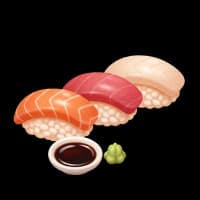
Sushi is the backbone rather than a courtesy section. The Judo Chop Roll starts with spicy tuna and cucumber, then adds salmon, shrimp, avocado and tempura flakes; DoFlamango puts tempura shrimp and jalapeño relish under avocado, mango and kabayaki sauces. Cobra Kai runs spicy tuna, crab stick and cucumber beneath salmon, tobiko and lava sauce. The construction is generous, but contrast is the real through-line: heat against fruit, soft fish against tempura crunch, rich sauces against fresh cucumber. Even the names carry a wink. Beside the rolls, Hawaiian Poke, Veggie Udon and General Chow Noodles let the kitchen shift into bowls without treating them as lesser choices. The breadth feels deliberate because sushi still provides a clear centre of gravity.
Chef John Alvarez and Rosemary Woods own Funky Chow through F&B Hospitality Group, the independent business behind a cluster of nearby Walkerville restaurants and bars. Alvarez brings the chef's perspective; Woods shares the ownership and hospitality work that holds the group together. They opened Funky Chow as a takeout-first operation during the pandemic, then developed it into a fuller dining experience instead of leaving it as a temporary workaround. That pathway explains why the present restaurant handles so many versions of a meal with ease. Dine-in and reservations did not replace the original off-premise model: pickup and delivery remain active, while catering and private rentals extend the same kitchen toward larger occasions. The lower-level address also sits alongside the group's tiki concept, making Funky Chow part of a wider evening in Walkerville.
For groups, that mix is the point. A table can begin with fried chicken and lumpia, add a specialty roll for fish and rice, then decide whether noodles or fried rice should carry the heavier share of dinner. The formats are distinct enough to reward curiosity and familiar enough to let different appetites meet without negotiation becoming the main event. The same flexibility scales beyond the table: catering can carry the food outward, and private rentals can gather a planned occasion around it. None of that turns Funky Chow into an anonymous all-purpose restaurant. The playful dish names, the sushi depth, the lower-level Walkerville setting and the takeout-first history keep the choices attached to a recognizable character. Funky Chow is a flexible restaurant with the confidence to keep its borders loose and its centre clear.