Start With Nasu Dengaku
Open with Nasu Dengaku while everyone decides how far to roam. The buttery miso glaze gives a clear first taste, and the plate leaves room for skewers, tataki, or ramen afterward.
First time here? Take the 30-second tour of how Restaurantica works!
Kintaro Izakaya puts a wide menu in service of a focused meal. This Church-Wellesley Village sake house is built for dinner in rounds: a cold plate, something fried, skewers from the grill, then a bowl substantial enough to belong to one person. Sushi, tataki, yakitori, ramen and rice all fit, but the breadth works because no visit needs to become a survey of the kitchen. A group can begin together and finish in different directions, letting the first plates arrive while everyone decides whether dinner is heading toward pork-bone broth, seafood noodles or a rice bowl. The format also lets appetite set the scale. Two diners can work from tataki to noodles; a larger table can keep extending the middle with fried plates and yakitori. The sequence makes abundance manageable before a single large dish reaches the table.
Nasu Dengaku gives that first round a clear centre. The eggplant is fried, and its buttery miso glaze lands sweet, savoury and rich without filling the table too early. Maguro Tataki offers a cool contrast, with seared tuna sharpened by wasabi ponzu, while Gyu Tataki shifts the same idea toward beef striploin and house-made galbi sauce. Then the grill takes over. Momo Negi pairs chicken thigh with green onion and comes seasoned with sea salt or teriyaki; Hatsu is chicken heart with salt; Tsukune brings a house-made meatball, teriyaki and egg yolk. Together, those three skewers form a short progression from familiar to deeper and richer flavours.
The larger dishes preserve that momentum instead of resetting the meal. Kintaro Tonkotsu Ramen lays chashu and seasoned egg over pork-bone broth, a natural finish after several shared plates. It is only one noodle route. Sapporo-Style Miso Ramen brings vegetables and miso into the same chashu framework, while Nagasaki Champon folds seafood and vegetables into pork-bone soup. Kintaro Don takes the end-of-meal role in another direction, with stir-fried chicken and vegetables over rice. The choice is not variety for its own sake; it is the freedom to share the opening and still give each diner a distinct centre. That progression matters at an izakaya, where a bowl can be the reason for arriving or the final turn after several plates. One table can finish with three different bowls without having eaten three different dinners.
Around those routes, Kintaro keeps enough contrast to change the pace without losing its Japanese tavern character. Tori Karaage supplies the clean comfort of boneless fried chicken. Agedashi Tofu softens the fried section with dashi, radish, scallion and bonito, while Ebi Mayo pushes toward crisp prawn, spice and richness. Buta no Kakuni slows things down with pork belly braised in soy sauce beside bok choy and egg. Oden Soup moves in the other direction, placing fish cakes in a light fish broth. Even the Black Dragon Roll has a defined place in the progression: a dynamite roll finished with torched unagi when the table wants one richer sushi plate. A towering frozen beer belongs naturally beside that spread.
What distinguishes Kintaro is the way these choices can be edited into a dinner with a beginning, middle and end. The small plates are not warm-up material waiting for ramen, and the ramen does not make the skewers incidental. Each section can lead or support, depending on whether the table wants a quick bowl, a sequence of grilled bites or a longer shared evening. That flexibility suits Church Street, where dinner can gather people around one plan without requiring identical appetites. The restaurant's identity lives in the movement between plates: miso-glazed eggplant first, tataki or fried food next, smoke from the skewers, then noodles or rice. The meal ends with an empty skewer plate beside a ramen bowl, and another route still waiting for next time.
Skewers, tataki, sushi, fried plates, rice bowls, and regional ramen styles give diners several coherent ways to build the same visit.
The small-plate format and online reservations make it easy to plan a progressive meal that begins with sharing and ends with individual bowls.
Tonkotsu ramen, Sapporo-style miso ramen, and Nagasaki Champon give the noodle section more range than a single house bowl.
This is Restaurantica’s own read — synthesized from publicly available sources across diner signal and editorial research, last updated August 2026. It’s our interpretation of the evidence, not a crowd average — and placement is never for sale.
Ramen is not a token section here: Kintaro runs from a namesake tonkotsu bowl to Sapporo-style miso ramen and seafood-heavy Nagasaki Champon. Start with one noodle bowl, then use skewers or tataki to make the meal feel more like an izakaya visit than a quick ramen stop.
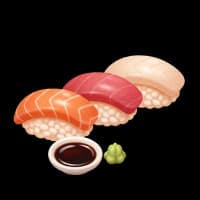
Sushi is one of Kintaro’s clearest secondary lanes, not an afterthought beside the skewers and noodles. Pair the torched-unagi Black Dragon Roll with Maguro Tataki when diners want both a composed roll and a leaner seared-fish plate.

Kintaro builds an intentional Japanese izakaya point of view through yakitori, tataki, regional ramen, sushi, and sake-house small plates. The experience is strongest when the order moves across those formats instead of treating the restaurant as a single-specialty stop.

Kintaro rewards diners who move beyond familiar rolls with Hatsu, paired tataki plates, and Nagasaki Champon. Keep one approachable skewer in the order, then use the less familiar dishes to widen the meal without turning dinner into a dare.

The broad small-plate menu gives friends an easy rhythm: share eggplant, fried dishes, tataki, and skewers before anyone chooses a larger bowl. Online reservations make that multi-round plan more practical when everyone is not arriving on a whim.
Restaurantica’s write-up above is synthesized from broad public signal — community reviews add the first-person layer. Share the nuances of your visit to Kintaro Izakaya in Toronto: the standout dishes, the room, the service.
Write a reviewStart with Nasu Dengaku for a rich but shareable opening, then add Momo Negi and one tataki. That combination shows the small-plate and skewer sides before you commit to ramen or rice.