Build Around The Ceviche
Start with Ceviche de Pescado for the clearest expression of fish and lime, then add Ceviche Mixto or the Ceviche Experience when the table wants more seafood texture and a wider comparison.
First time here? Take the 30-second tour of how Restaurantica works!
At Tayanti, a broad Peruvian dinner begins with the narrowest question: which ceviche? Four versions make citrus-cured seafood a recurring grammar rather than a token starter, and the Ceviche Experience turns the choice into a comparative order. From there, the menu can swing into wok-seared beef, pan-fried rice and beans, cilantro-braised meat, seafood rice and pisco without losing its Peruvian centre. That range gives a table several ways to build a meal—bright first, richer later, with the bar program carrying the handoff—while keeping Tayanti more focused than the breadth suggests. In the ByWard Market, the compact bar area and larger dining room let the evening change scale as the order grows.
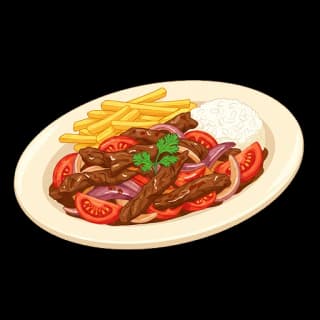
Ceviche de Pescado is the clean reference point: fresh fish and lime, direct enough to establish the kitchen’s coastal vocabulary before other textures arrive. Ceviche Mixto folds in shrimp, octopus and calamari; the Ceviche Experience lets a group compare four versions at once. Lomo Saltado then changes the temperature and technique, putting wok-seared beef beside onions, tomatoes and Peruvian yellow peppers. Ají de Gallina moves in another direction, coating chicken stew with a creamy yellow-pepper sauce and serving it with parmesan, rice and potatoes. These are not variations on one idea. They show how acidity, wok heat and slow comfort can occupy the same dinner. Choosing tacu-tacu with the Lomo Saltado pulls pan-fried rice and beans onto the plate instead of the familiar rice-and-fries combination.
The deeper menu keeps those currents distinct. Arroz con Mariscos braises shrimp, calamari and octopus with rice, then adds parmesan, avocado and sarza criolla; Chaufa de Mariscos sends similar seafood through a Peruvian-Chinese fried-rice tradition. Seafood Tacu-Tacu lays grilled tilapia and creamy seafood sauce over the crisp-edged rice-and-bean preparation, while Peruvian Seafood Jalea gives fish, shrimp, calamari and octopus a fried counterpoint to the ceviches. Away from the coast, Seco de Carne brings beef and cilantro into a slower register, and Creamy Rice with Duck pairs the bird with squash, peas, carrots and huancaína potatoes. The breadth reads as a set of connected techniques, not a checklist of national dishes. Dessert cools the momentum: Suspiro a la Limeña sets a cap of light meringue over creamy caramel.
Pisco gives the drinks list the same balance of reference and invention. The Pisco Sour stays close to lime, simple syrup, egg white and Angostura; the Chicha Sour adds chicha morada and ginger to that family of flavours. House drinks widen the frame without detaching from dinner. Sombra joins pisco, dry curaçao, lime, ginger syrup and red wine, while Ajimanto brings tequila together with aguaymanto, lime, agave and ají amarillo. The combinations have enough acidity and spice to meet ceviche at the beginning of a meal, then enough depth to remain present beside beef, duck or cilantro braise. A compact bar area and full-service dining room make cocktails part of the restaurant’s pace rather than a separate attraction.
Broad menus often blur the reason to choose a restaurant. Tayanti’s breadth holds together because the same ingredients and techniques recur with different weight: lime sharpens the seafood, yellow pepper rounds chicken and pasta, cilantro darkens a beef braise, the wok carries both meat and seafood, and tacu-tacu gives rice and beans a crisp-edged form. A shared order can move among those ideas without reducing Peruvian cooking to a single celebrated plate. That gives a first-time table a coherent introduction while leaving a returning table another route through dinner: compare ceviches one night, follow the seafood preparations another, or build around pisco and home-style mains. Even the vegetarian Lomo Saltado keeps that structure intact, replacing beef with tofu or mushrooms while retaining the wok, Peruvian yellow pepper and the choice of tacu-tacu.
Four ceviche choices make citrus-cured seafood a defining reason to visit rather than a single token starter.
Tacu-tacu, seafood rice, Peruvian-Chinese wok dishes, yellow-pepper chicken, cilantro-braised beef, and duck show meaningful regional breadth.
Classic pisco drinks and house cocktails give the seafood and shared-main format a natural beginning and make the room work for an unhurried evening.
This is Restaurantica’s own read — synthesized from publicly available sources across diner signal and editorial research, last updated August 2026. It’s our interpretation of the evidence, not a crowd average — and placement is never for sale.

Tayanti's Peruvian point of view runs across the entire meal, from four ceviches and tacu-tacu to ají de gallina, lomo saltado, pisco drinks, and Peruvian desserts. The appeal is the range of regional references held together inside one confident dinner menu. A shared order lets that breadth unfold without turning the meal into a checklist.

Ceviche de Pescado is the cleanest lead order, bringing fresh fish and lime into sharp focus before the meal grows richer. Lomo Saltado follows with wok-seared beef and the option of tacu-tacu. Together they explain Tayanti faster than a long tour of the menu could.

The bar starts with recognizable Peruvian classics, including Pisco Sour, Chicha Sour, and Chilcano, then moves into house combinations such as Sombra and Ajimanto. That range makes a drink feel connected to the food rather than added beside it. Begin there when the meal is meant to stretch into an evening.

Curious diners have several routes through the menu without relying on novelty for its own sake. Octopus in Olive Sauce, Seafood Tacu-Tacu, the Ceviche Experience, and Peruvian Seafood Jalea each bring a different texture or preparation. Sharing a few dishes lets those contrasts do the work.

Tayanti works well when dinner is the main plan: reserve ahead, begin with a pisco drink, and share ceviche before choosing a fuller main. The compact bar area and larger dining room give the evening a little movement without forcing a formal pace. Weekend reservations deserve advance attention.
Restaurantica’s write-up above is synthesized from broad public signal — community reviews add the first-person layer. Share the nuances of your visit to Tayanti Peruvian Restaurant in Ottawa: the standout dishes, the room, the service.
Write a reviewBegin with Ceviche de Pescado, then add Lomo Saltado and Ají de Gallina for a first meal that covers bright seafood, wok cooking, and a home-style yellow-pepper preparation.