A glassed-in charcoal grill sits beside the kitchen at Maroo, and the LA galbi short ribs and tteok-galbi patties that come off it are the clearest argument for the room on Kent Street. The restaurant opened here in 2020 as the larger, more ambitious version of an earlier Kitchen Maroo on Gladstone Avenue, run by the same chef-owners who built the original. The current menu reaches across soups, stews, grilled meats, fried chicken, rice bowls, cutlets, sandwiches, pastas, and house desserts, with soju, makgeolli, beer, and wine on offer. The dining room seats about seventy, runs casual, and sits on the Centretown end of downtown Ottawa.
Most orders earn their weight if a soup or stew lands on the table alongside the grill. Galbi-tang beef rib soup is the cleanest beef-rib version, simmered with radish and sweet potato noodles and served with rice and house-made kimchi. Soon-tofu seafood stew runs hotter, with shrimp, squid, mussels, and egg in soft tofu. Jjamppong layers spicy chicken broth over udon and a longer seafood and mushroom list. From the grilled side, the LA galbi arrives as a pound of bulgogi-marinated bone-in ribs with salad and a choice of starch; the tteok-galbi pairs two minced-beef patties with demi-glace, sunny-side eggs, and the same starch options. The difference between the two is the difference between a barbecue plate and a composed dinner.
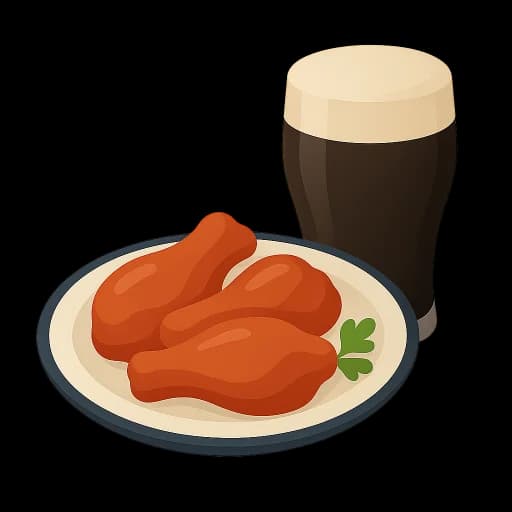
Korean fried chicken anchors a separate corner of the menu. A half order is eleven bone-in pieces with pickled radish, one sauce on the side, and a drink built into the order; the full order doubles the count; a boneless creamy version comes with sweet potato noodles, broccoli, mushroom, and parmesan when the table wants the heavier comfort version. Kimchi fried rice arrives with house-made kimchi, pork, a flat house meatball, a salad, and seaweed flakes — egg optional. Kimchi pork mandu come as six dumplings with ponzu, and stir-fried kimchi udon carries weekday lunches. The fusion side of the kitchen runs to bulgogi pasta with vegetables, a tteok-galbi sandwich on garlic-butter ciabatta, bulgogi fajitas, and a spicy seafood pasta on a chicken-stock base. Sweet potato cheesecake closes things out — the most specifically Maroo finish on the board.
What ties this together is a kitchen that treats Korean fusion as a full menu language rather than a novelty lane. The charcoal program gives the meat side a signature dimension few casual Korean kitchens run, and the soup-and-stew list keeps the traditional half of the menu honest. Dietary navigation is built in: a vegetarian kimchi fried rice on the rice board, a chilled cold-soy-milk Kong-Guksu in season that can be ordered vegan without the egg, and a vegetable bowl alongside the meat-forward plates. Owner-operated and small enough to feel specific to its address, Maroo reads as a local discovery rather than a citywide brand — the kind of dining room that earns repeat orders by getting kimchi fried rice, a stew, and a half order of fried chicken right on a Tuesday. Reservations come through messaging, with a name, phone, date, time, and party size in the request.
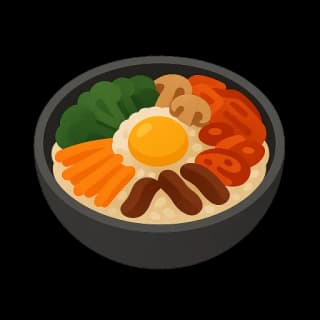
The weekday lunch plate is the cleanest read on what Maroo can do at midday — one main, rice, japchae, tofu pudding, and side dishes before two in the afternoon, a composed Korean meal at takeout-counter speed. Dinner asks for a wider order: a grilled plate, a stew or soup, a fried-chicken share, kimchi fried rice or a bowl, and a glass of soju or makgeolli to carry the table. The drinks list is modest but useful with the spicier seafood dishes and the fried chicken; the dessert board is short but distinctive enough to plan for. What started as a smaller shop on Gladstone Avenue is a bigger kitchen now, and the order that drew people in then is still the order on the table.