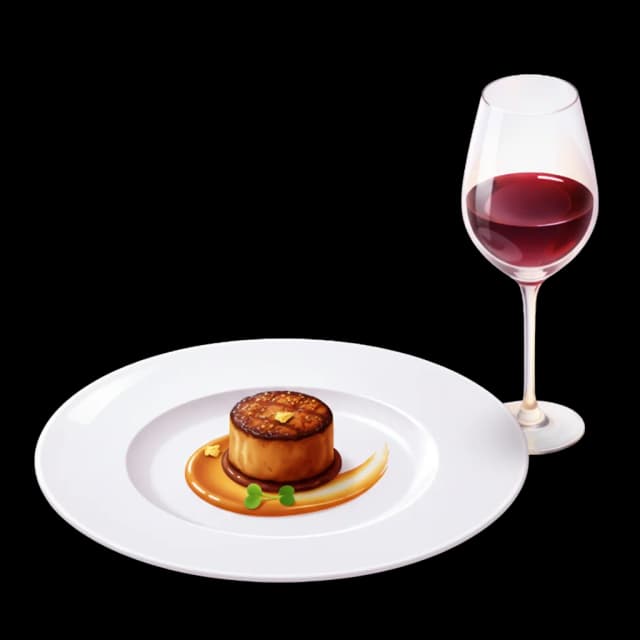
Gitanes is a top-of-range French dining room on Elgin Street that refuses to behave like one. The menu runs to snow crab, sea bream crudo, and a cold bar built for slow indulgence, then turns around and sends out a hundred-day dry-aged burger and a foie sundae without a hint of apology. That appetite — French technique, Canadian ingredients, and a willingness to chase luxury into places a stricter kitchen would not go — is what separates Gitanes from the bistro it could have settled for being. It has cooked this way on the Elgin Street corridor since 2019, dinner only, Tuesday through Saturday, which makes it a restaurant built for the one polished night out rather than the casual drop-in.
Start at the cold bar, where the kitchen shows its hand. Oysters by the half-dozen and a tiered seafood platter anchor it; snow crab comes with nothing more than drawn butter; sea bream crudo is dressed with almond, verjus, and sunchoke. The warm starters keep the same nerve — escargot baked under Gruyère and puff pastry, white asparagus with ramps and a shrimp Béarnaise, roast cabbage with goddess dressing and pangritata. The two plates that most clearly catch the kitchen's instinct sit at the edges of the list: clams in buttermilk and cassis kosho, a sharp and faintly Japanese counterpoint to all the richness, and a lamb tartare cut with green harissa and olives instead of the usual capers and yolk.
From there the menu widens into its composed centre, and it rewards a table that builds the meal in order. Crab spaghetti is the course that holds it together — a rich shellfish plate, dropped in the middle, that bridges the brightness of the cold bar and the heavier dishes behind it. Those read French with a Canadian accent: lamb leg steak with spring peas and bagna cauda, cod set over clams with fennel and sauce pastis, steak frites done straight. The hundred-day dry-aged Gitanes Burger sits among them as the deliberate comfort move, the familiar plate that still belongs in a dinner this serious. Dessert refuses to wind down quietly — a chocolate tart with hazelnut and sabayon for the table that wants the classic finish, and a foie sundae for the one that wants the kitchen showing off straight through to the last spoon.
What ties it together is a seasonal discipline most kitchens at this price only gesture at. The dinner list is dated to the week, and the produce moves with it: ramps, white asparagus, and spring peas are early-summer markers, swapped out as the calendar turns. The cooking treats French method as a frame rather than a rulebook — the techniques are classical and the sauces are real, but the ingredients are Canadian and the pairings are the kitchen's own. The sauce work is the tell: real reductions and emulsions — a pastis-scented broth, a proper Béarnaise — rather than the shortcuts a busy kitchen reaches for. The cold bar carries the indulgence, the mains carry the craft, and dessert is where the kitchen lets its appetite show.
The à la carte dinner is only one way to spend a night here. A chef table seats two to eight and hands the pacing to the kitchen, a format worth knowing about — though a table with strict dietary limits should raise them before booking, since a set kitchen menu bends less easily than the printed one. There is a serious wine list to read against the seafood, online reservations to lock the table, and a sample group menu for private events. The constant is the cooking and the way it keeps moving: book the same dinner two months apart and the cold bar and the burger will hold, but the asparagus will have given way to whatever the season sends next.