Guanaquita means little Salvadoran girl, and the restaurant wears the name like a family nickname. Irma Donan opened it on the second floor of a King Street building in downtown Kitchener in 2012, a short walk from City Hall, and built the kitchen around the food she learned from her grandmother, Lauriana Cordero, in El Salvador. Local reporting credits Donan as the owner and founder. What that lineage turns out is not a generic Latin menu but a specifically Salvadoran one, a distinction written into nearly every plate.
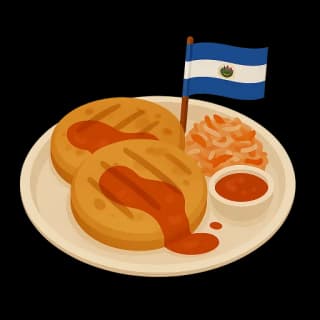
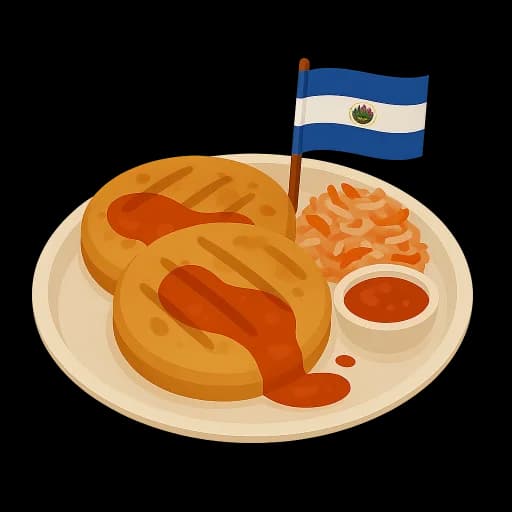
The pupusa is the spine — El Salvador's most recognizable traditional dish, and the thing to order first here. The kitchen griddles the corn-masa rounds to order and fills the signature version with pork and cheese, served with curtido, the tangy cabbage relish that cuts the richness. Yellow-corn pupusas come in sets of two, so a table can compare fillings without committing to a single one. They explain the restaurant faster than the cuisine label does: hand-worked masa, a hot griddle, a relish made in house, nothing arriving off a truck.
Around that centre the menu fans into the rest of the Salvadoran repertoire. Pastelitos arrive as deep-fried yellow-corn pockets; chicken tamales come steamed in banana leaf, a softer counterpoint to everything griddled and fried; flautas are rolled around mozzarella and dressed with chimol, feta, and sour cream; antojitos are built on flour tortillas. These are plates built to be passed around, crisp edges and small portions before the pupusas and platters arrive. The Guanaquita Platter gathers the traditional items onto one plate with house salsa and curtido, the standing answer for a table that wants the range in a single order. A Mexican-leaning section adds birria tacos and enchiladas, yuca frita and churros round out the edges, and the bar pours margaritas, mojitos, and bright mango-chamoy drinks.
What all of it signals is specificity. Curtido, masa worked by hand, yellow corn, banana-leaf steam — these are the markers that separate a Salvadoran kitchen from the broader Latin shorthand it would otherwise be filed under, and Guanaquita leans into them rather than smoothing them out. Salvadoran kitchens are uncommon across Waterloo Region, which gives that specificity extra weight. The vegetarian path is real instead of an afterthought: meatless enchiladas, a vegetable platter, yellow-corn pupusas, and guacamole and chips give a plant-based table a full meal rather than a single side. The sampler logic runs through everything — sets of two, four-item platters, small fried starters — so a group can build a table from several small decisions, and the bill stays modest while it does.
The family-run character is the point, not a slogan. Donan's cooking traces to a San Salvador childhood and the grandmother who taught her, and that made-to-order habit has held through fourteen years on King Street. The upstairs dining room has carried more than dinner service over that run; Latin dance nights and live music have turned some evenings into something closer to a gathering than a meal out, the cocktail list pulling more weight than a pupusa counter alone would need. It is the kind of place people come back to for the welcome as much as the food.
None of this leans on a special or a gimmick — the regular menu carries it. A first visit usually starts with the platter or a couple of pupusas and finds its own way from there: more pupusas, a tamal, something off the Mexican side, churros at the end. The dining room sits a flight up from King Street, and the kitchen runs afternoons into evenings from Tuesday on, closed Mondays, with takeout for the nights the upstairs tables fill. Downtown Kitchener has changed a good deal around it since 2012; the pupusa griddle has not.