Thai Villa is a small Thai kitchen in a Victoria North plaza on Woolwich Street in north Guelph, in a narrow plaza unit with a casual dining room and a fast-running takeout window. The menu carries Pad Thai built on tamarind, a Northern Thai Khao Soi with crispy egg noodles laid on top, Green Curry and Panang Curry, a roster of stir-fries and grilled plates, and a noodle-soup section that runs unusually deep for the category — Yen Ta Fo's pink fermented-bean-curd broth, Mee-Kati's central-Thai tamarind-and-coconut rice-noodle bowl, Suki-Yaki's glass-noodle Thai-Chinese stir, Ba-Mee Kiew's pork-wonton egg-noodle soup. The kitchen has been open in this plaza since 2010. Dine-in and takeout both run; pricing sits in the entry band with most mains under eighteen dollars. Closed Mondays; lunch and dinner the rest of the week, with weekday lunch combos running Tuesday through Friday until 2:30 PM.
Thai Villa is a family operation, and a quiet one. There is no About page on the website, no published chef profile, no founding-story interview anywhere in print. What there is, instead, is sixteen years in the same plaza, the same narrow room, the same Pad Thai — and a menu that has been allowed to stay long enough to carry dishes most North-American Thai houses don't bother with. The recurring shorthand in Guelph food conversation is the same wherever the place comes up: small restaurant, big flavour. The family has chosen, by every visible sign, to let the menu do the talking. That choice is the connective thread of the place; the small room turns out to have the larger menu.
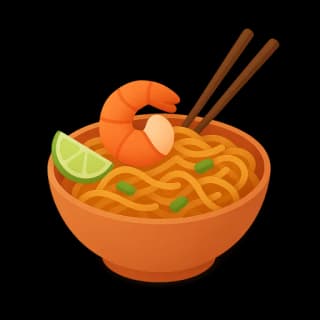
The Pad Thai is built on tamarind sauce — the sour-fruit pulp that carries Pad Thai in Thailand, balanced by fish sauce and palm sugar. Many North American Thai kitchens reach for ketchup and brown sugar instead, producing a sweeter, redder version that's now widespread on this continent. The tamarind base is harder to source and harder to balance, and the sourness it produces is less familiar to many palates outside Thailand than the sweeter approximation. Getting Pad Thai right is a small but real diagnostic for a Thai kitchen's foundation. Thai Villa's version uses the tamarind base: rice noodles, egg, beansprouts, green onions, peanuts, and tofu pulled together with a tamarind sauce that lets the dish taste like itself rather than like its sweet North American shadow.
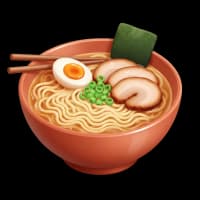
Khao Soi is the dish that signals what kind of Thai kitchen this is. A Northern Thai noodle-curry bowl, fresh egg noodles in a coconut-milk curry broth, soft noodles on the bottom and crispy fried ones laid on top, finished with preserved mustard, red onion, and cilantro — the dish rarely shows up on North American Thai menus, and Thai Villa runs it as a standing item rather than a special. The noodle-soup section keeps going from there. Yen Ta Fo arrives with flat noodles in a distinctive pink-tinted broth — the colour comes from red fermented bean curd — finished with garlic, coriander, chili, fried wonton wrappers, and fish balls; the pink-broth bowl is a Thai-Chinese standard that rarely appears outside Bangkok or a Toronto Chinatown room. Mee-Kati is a central-Thai rice-noodle bowl built on bean paste, tamarind juice, egg, peanuts, and Thai curry — also seldom on a Thai house menu this size. Suki-Yaki rounds out the Thai-Chinese side with glass noodles, egg, and the dedicated Suki-Yaki sauce. Ba-Mee Kiew comes with egg noodles, pork wonton, barbeque pork, and shrimp over a clear broth. Around the noodles, the workhorse dishes hold steady: green and panang curries, Drunken Noodles built on fresh basil and chilies, Pad Kapo Khaidow over jasmine rice with a fried egg, Grilled BBQ Pork served with sweet chili sauce, and Mango Coconut Sticky Rice to finish.
The room's daytime identity is its weekday lunch combo, available Tuesday through Friday from 11:30 AM to 2:30 PM — a main with a soup, a spring roll or salad, and tea, at a price that makes the meal feel like a give. Curries can be prepared without fish sauce on request, which gives vegetarians and diners avoiding shellfish-derived fish-sauce a real path into the curry list rather than a side concession; tofu protein swaps are standard across the menu. Heat is a kitchen culture, not a footnote — ask for Thai hot if you want it pitched at the kitchen's own level, or scale it down without losing the dish. The takeout side runs fast: order pickup turnaround is the detail most regulars name first, and the signature plates hold their shape in the container on the way home. Free parking in the plaza out front. Small dining room. Walk-ins generally fine; weekends busier.
When someone in Guelph food conversation asks where to eat Thai, the same answer comes back more often than not. Sixteen years on Woolwich, no flashy renovation, no expansion arc, no second location, no rebrand. A menu that quietly carries Northern Thai and Thai-Chinese dishes most houses this size don't run. The small restaurant turns out to have the larger menu.