El Inka builds its menu the way Peru is laid out — coast, highlands, and jungle on one page. The family-owned Appleby Line restaurant runs from citrus-cured ceviche to grilled veal-heart anticuchos to a cilantro-braised lamb shank without ever leaving Peruvian ground, and the range is the whole idea. Where a lot of South American menus lead with one or two greatest hits, El Inka asks a table to plan a meal — a ceviche to open, something off the grill, a shared rice or stew, a pisco cocktail alongside — and hands them enough of the country to do it.
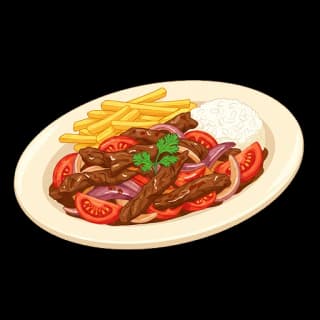
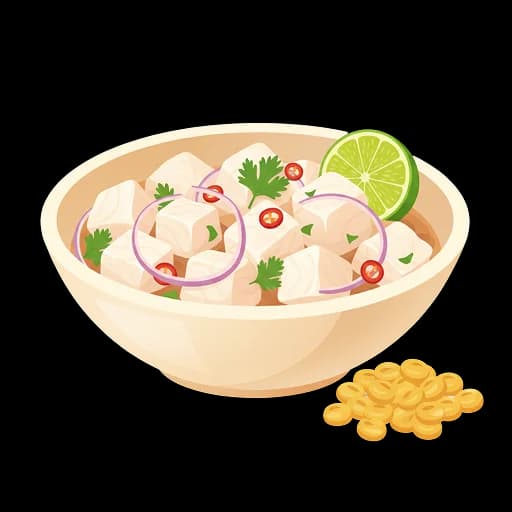
The coastal cooking sets the pace. Ceviche Mixto brings tilapia, calamari, octopus, shrimp, and mussel together under lime, red onion, sweet potato, and choclo; Ceviche El Inka splits three ways into salmon and avocado, shrimp and pineapple, scallop and cucumber, finished with sweet-potato chips. Off the grill, Pulpo a la Parrilla gives Spanish-style octopus the deeper Peruvian treatment — aji panca, chimichurri, huancaina, purple potato, asparagus, and choclo on one plate. The bigger plates carry the meal from there: Arroz con Mariscos, a Peruvian-style paella thick with octopus, calamari, shrimp, and mussels in aji amarillo; Lomo Saltado, AAA tenderloin seared with onion, tomato, soy, and fries; Seco de Cordero, a New Zealand lamb shank braised in cilantro sauce with panamito beans. Aji amarillo runs through nearly all of it, the yellow pepper that gives so much Peruvian cooking its colour and gentle heat.
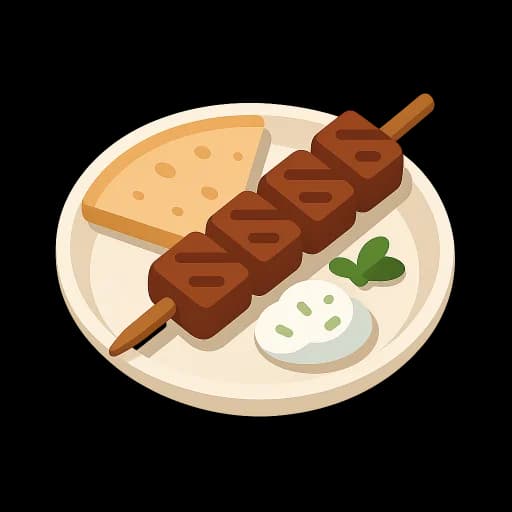
What the menu argues, dish by dish, is that Peruvian food is bigger than ceviche. Anticuchos skewer marinated veal hearts over aji panca; Aji de Gallina pulls shredded chicken through a creamy aji amarillo sauce thickened with parmesan; Parihuela and Chupe de Camarones hold down the soup section with seafood broths that eat like mains. The kitchen keeps plant-based diners inside the same idea rather than off to one side — Ceviche Vegano rebuilds the dish around broccoli, cauliflower, edamame, avocado, and choclo, with a quinoa salad and a stuffed-avocado Palta Rellena standing in when the table needs them.
Some of the most telling plates are the ones that show Peru's borrowed kitchens. Chaufa — fried rice with soy sauce, sesame oil, and scrambled egg — carries the Chinese-Peruvian chifa tradition, and Lomo Saltado's soy-glossed stir-fry comes from the same lineage. The Italian side turns up in the pastas: Tallarin Verde, a Peruvian take on pesto linguini with parmesan and golden potato, and a fettuccine folded into huancaina cream under a tangle of lomo saltado. These are not novelties bolted onto the menu; they are Peruvian food doing what it has done for more than a century, absorbing the cooking of the people who settled there.
The restaurant is family-owned and opened in March 2018, a Peruvian kitchen that came to Burlington by way of Miami. There is a second El Inka in Toronto now, but the Appleby Village dining room is the one rooted on this plaza stretch of Appleby Line. The cooking reads as first-generation and unembarrassed: the dishes keep their Peruvian names, the coast-highlands-jungle sections are laid out like a map of the country, and a picture menu lets a newcomer see a plate before committing to its name.
The bar holds up its end. Pisco anchors the cocktail list, and the weekday specials are built to sit beside a real meal rather than replace one: a five-dollar El Inka lager on Mondays, a ten-dollar pisco sour on Tuesdays, half-price wine bottles on Wednesdays. None of them asks a group to come for the discount and leave — each is a reason to order the ceviche and the seafood rice it came for anyway. Thursday closes the week with picarones, the Peruvian doughnut in spiced syrup, a last sweet stop on a menu that otherwise keeps pulling a table deeper into Peru.