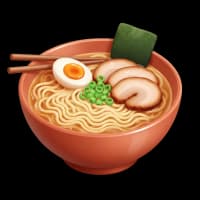
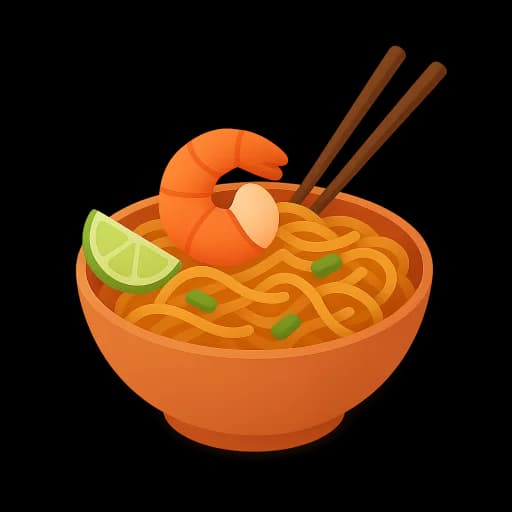
The bowl that explains Alei Kitchen is the Huaxi beef noodle soup: rice noodles and tender halal beef in a savoury broth, finished with pickled cabbage, green onion, and cilantro, and listed, pointedly, as not spicy. It is a Guizhou dish, named for a district of that southwestern Chinese province, and it sets the terms for everything else on the menu. This is not a broad Chinese-Canadian kitchen that happens to sell noodles. It is a regional restaurant built around the food of Guizhou and its Miao communities, run by an owner who signs the place's story simply as Candy and traces the recipe back to her grandmother in Kaili.
The menu keeps that focus while giving a table more than one way in. Beside the Huaxi bowl sits a braised beef noodle soup, richer and deeper, built on cabbage, green onions, and cilantro with a choice of wheat or rice noodles and the option of mild heat or none at all. From there the kitchen turns up the spice on purpose. Pickled Chili Fried Rice folds Guizhou's fermented chili and egg into a familiar format and arrives spicy only. Mala Beef Dry Noodles come tossed rather than soupy, numbing and hot. Spicy Cold Beef is the most extreme order on the board, chilled strips of beef with numbing peppercorns, dried chili, peanuts, and cashews. Milder anchors hold the other end: garlic chicken wings, chicken wonton soup, hand-torn cabbage, beef with broccoli, and a house chili sauce the kitchen bottles under its own name.
That spread is built for a table that cannot agree on heat, which is most tables. The Huaxi bowl reads as the calm entry point, the braised soup bends mild or plain, and the fried rice and dry noodles carry the fire for whoever wants it. A group can order across the whole spice ladder and everyone still finds their plate, which is also why the kitchen leans group-friendly, fielding shared spreads and catering orders rather than treating the big table as an inconvenience.
Underneath all of it runs the halal sourcing. Every beef dish, from the two noodle soups to the cold beef, is prepared to halal standards, which makes a genuinely regional Chinese menu reachable for a set of diners most Chinese restaurants in the area quietly leave out. Pairing Guizhou cooking with halal beef is not an obvious combination, and Alei treats it as ordinary. A Guizhou noodle soup is a harder order to sell in suburban Burlington than the usual Chinese-Canadian standards, and the restaurant leads with it anyway.
The restaurant's own account fills in why. Candy grew up in Kaili, in the heart of Guizhou's Miao region, and the name Alei comes from that culture, a word the family ties to resilience and dedication. The Huaxi recipe is family inheritance, worked out from her grandmother's cooking and sharpened, by the restaurant's telling, through an apprenticeship under a Guizhou master before it reached a Burlington storefront in 2025. The dining room carries the same lineage in its detail, with handmade Miao silverwork and rustic wood standing in for a province few of Alei's neighbours have seen.
Alei opens every day, eleven to nine, and works the ordinary shifts a neighbourhood restaurant lives on: weekday lunches, takeout, the after-work bowl. What it does not do is dilute the thing worth finding. A diner can eat here without once ordering the Huaxi soup and still leave with a clear sense of where the kitchen is from. The centre of gravity never drifts far from Kaili, and the plainest measure of the place is this: a fried-rice-and-wings crowd in Aldershot can now get a bowl of Guizhou noodles from someone who grew up eating them.